
Gardening is a rewarding part of life for many Auckland homeowners, but even the healthiest gardens can face challenges—especially from pests like aphids.
These tiny insects may seem harmless, but they can quickly spread and cause serious damage. In this guide from Lawn Moving Auckland, we’ll cover what aphids are and how to get rid of them naturally and effectively.
What Are Aphids?
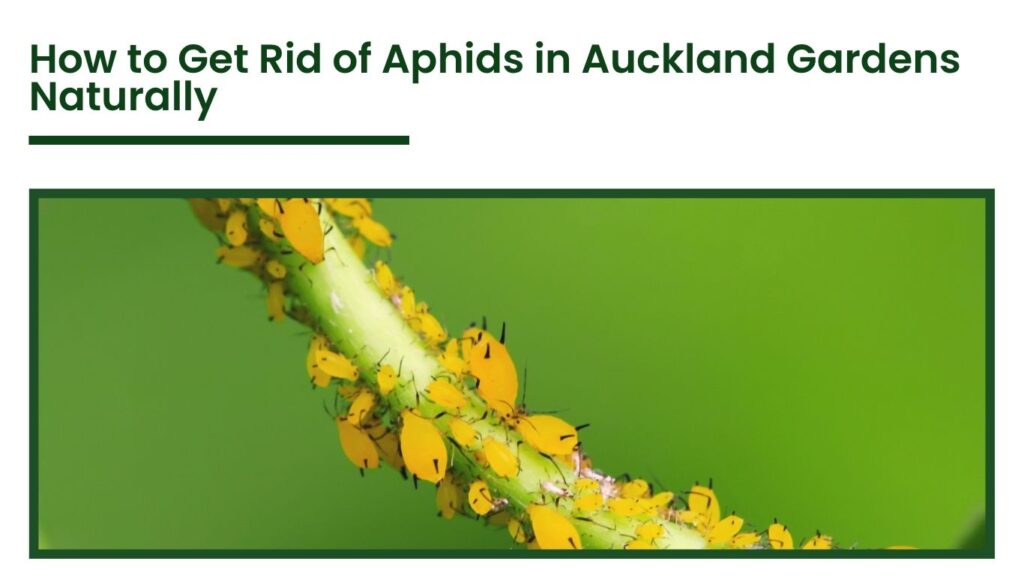
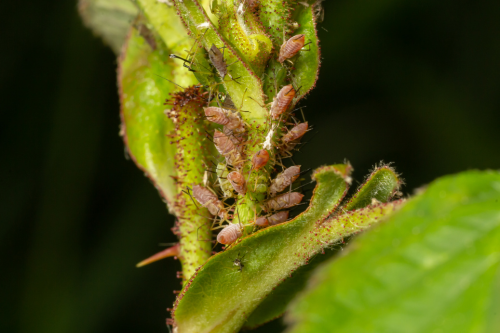
Aphids are small, soft-bodied insects that survive by feeding on plant sap. You’ll usually find them clustered around fresh growth, stems, or hidden beneath leaves. While green aphids are the most common, they can also appear in shades of black, yellow, brown, or even pink.
What makes them particularly troublesome is how fast they reproduce. A minor issue can turn into a full-blown infestation in a very short time if left unchecked.
Types of Aphids Found in Auckland Gardens
In Auckland, several types of aphids can affect your plants. Some of the most common include:
Green Peach Aphids (Myzus persicae) – Small green insects that don’t just stay on peach trees—they also invade crops like potatoes and tomatoes.
Black Bean Aphids (Aphis fabae) – Tiny black pests often found on beans, but they’re not picky and will spread to nearby plants.
Rose Aphids (Macrosiphum rosae) – A common problem for rose plants, these green or pink insects love feeding on soft new growth.
Woolly Apple Aphids (Eriosoma lanigerum) – Covered in a white, fluffy coating, these pests target apple trees and can damage both branches and fruit.
Cabbage Aphids (Brevicoryne brassicae) – Grey-green insects that thrive on cabbage, broccoli, and other leafy vegetables.
Although they vary in appearance, all of them damage plants in the same way—by feeding on their nutrients and weakening their growth.
How Aphids Damage Your Plants
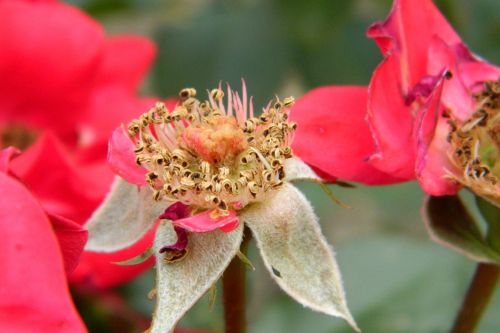
Despite their small size, aphids can have a big impact on your garden. They drain essential nutrients from plants, leaving them vulnerable and unhealthy.
Signs to watch for:
- Leaves that curl or lose their shape
- Yellowing or fading foliage
- Sticky residue on leaves (known as honeydew)
- Black mold forming on plant surfaces
- Slower or stunted growth
You may also notice ants around your plants, as they are attracted to the honeydew and often protect aphids from predators.
Natural Ways to Get Rid of Aphids
If you want to keep your garden chemical-free, there are several effective and eco-friendly ways to control aphids.
1. Use a Simple Soap Spray
A mild soap solution is one of the easiest ways to deal with aphids.
What to do:
Mix a few drops of gentle liquid soap with water and spray it directly onto the affected areas. This solution breaks down the aphids’ outer layer, causing them to dry out and die.
2. Apply Neem Oil
Neem oil is a natural option that disrupts aphids’ feeding and breeding cycles.
Dilute it with water, add a small amount of soap, and spray it onto your plants regularly. It’s effective while still being safe for most plants.
3. Try Garlic Spray
Garlic isn’t just for cooking—it’s also a great natural pest repellent.
Blend garlic with water, strain the mixture, and spray it onto your plants. The strong smell helps keep aphids away.
4. Rinse Them Off with Water
Sometimes, a strong stream of water is all you need.
Spray your plants thoroughly, especially under the leaves where aphids tend to gather. This method works best when the infestation is still small.
5. Attract Beneficial Insects
Your garden can naturally control aphids if you encourage the right insects.
Ladybugs, lacewings, and hoverflies are all natural predators that feed on aphids. Planting flowers such as marigolds or daisies can help attract them and keep your garden balanced.
How to Prevent Aphids from Returning
Once you’ve dealt with aphids, it’s important to stop them from coming back.
Here are a few simple habits that can help:
- Keep your plants well-watered and healthy
- Avoid excessive use of nitrogen-rich fertilizers
- Check your plants regularly for early signs
- Encourage a mix of plants and beneficial insects
Strong, healthy plants are much less likely to attract pests.
Why Natural Control Is the Better Choice
In a place like Auckland, where gardens thrive in a rich and diverse environment, natural pest control is the smarter option. It protects beneficial insects, maintains soil health, and supports long-term plant growth.
Chemical treatments might offer quick results, but they often create bigger problems by harming your garden’s natural ecosystem.
Need Help with Your Garden?
If aphids keep coming back or your garden needs professional care, getting expert help can save you time and effort.
At Lawn Moving Auckland, we provide expert gardening services designed to keep your outdoor space healthy, vibrant, and pest-free using safe, eco-friendly methods. Whether you need regular garden maintenance or a complete garden refresh, our experienced team is here to help.
Let us help you create a greener, healthier outdoor space.
You may also like to read: Why Is My Lawn Turning Brown After Mowing?
Final Thoughts
Left untreated, aphids can quickly weaken even the healthiest garden. Understanding how they work and acting early with the right solutions—natural or professional—ensures long-term plant health and vibrant growth.
For lasting results, trust the experts at Lawn Moving Auckland. Our professional gardening services are tailored to protect, restore, and maintain your garden at the highest standard.
Call 210 828 0376 today and enjoy a greener, healthier, aphid-free garden.
FAQs
What is the best natural way to kill aphids?
Soap and water spray is one of the most effective and easy solutions.
Are aphids dangerous?
They are not harmful to humans but can seriously damage plants.
How fast do aphids spread?
Very quickly—an infestation can grow within days.
Can I prevent aphids completely?
Not entirely, but proper care and monitoring can keep them under control.
How often should I treat aphids?
Every few days until the infestation is gone.